Materials scientist · Singapore

Wangshu Zheng, Ph.D.

Postdoctoral Fellow · Nanyang Technological University

I study how ceramics, metals, and their interfaces transform under constraint—and how those local transformations can make structural materials stronger, tougher, and more adaptive.

Affiliation
School of Materials Science & Engineering, NTU
Research focus
Metastability · interfaces · ultrafast processing
Profiles
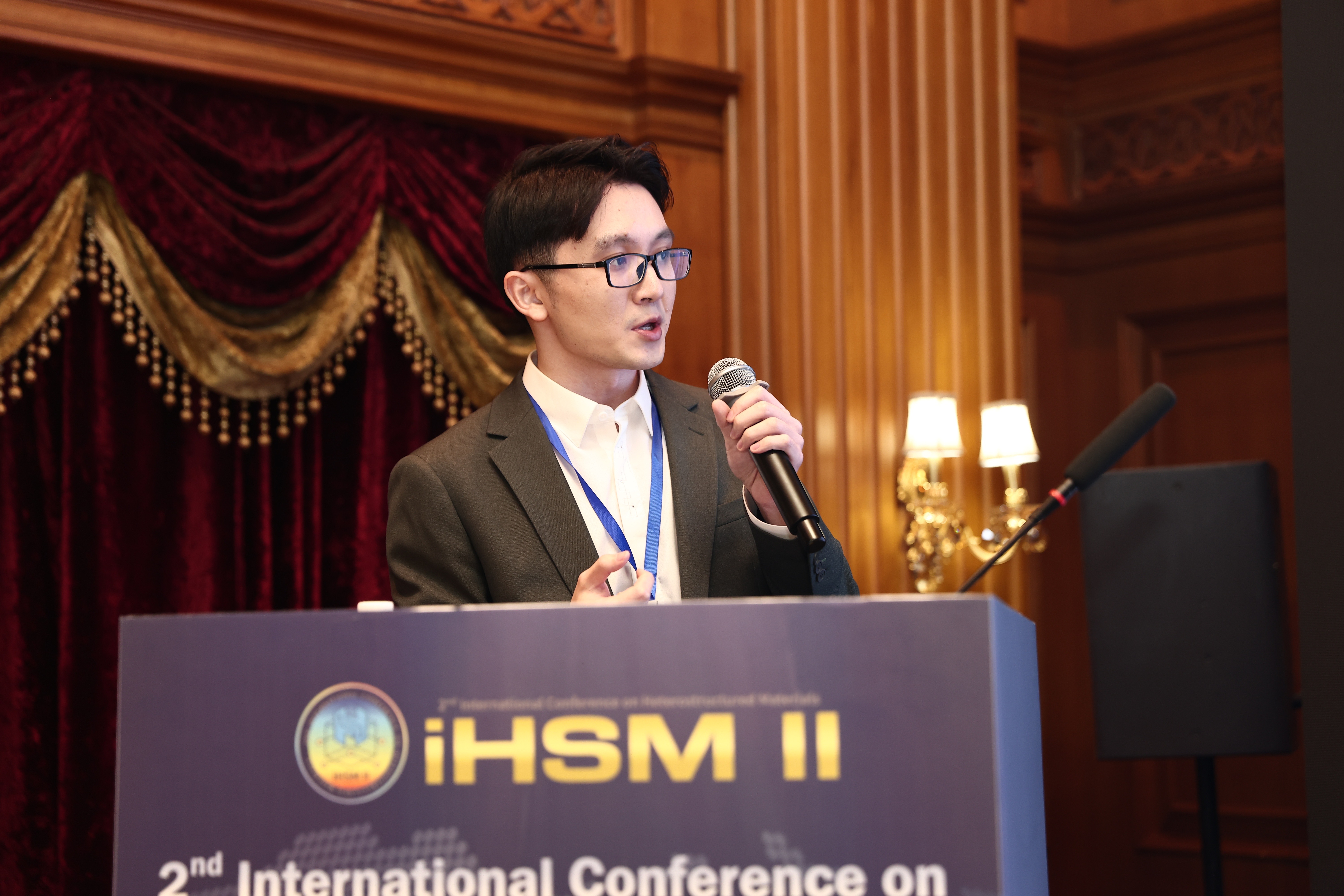
Wangshu Zheng speaking at an international conference
Wangshu ZhengResearch · mentoring · collaboration

Research statement

Localize transformation.
Generalize resilience.

The central idea is to place a transformable phase, interface, or architecture exactly where a material needs a new way to carry load.

01 · Research

Three connected research directions

Each direction links a physical mechanism to a measurable mechanical response, supported by microscopy, scattering, and in situ testing.

A shape-memory ceramic specimen changing shape during cooling at 602 degrees Celsius
Reversible transformation in a constrained shape-memory ceramic

01

Metastability & transformable composites

I use matrix constraint and local stress states to activate reversible phase transformation in ceramics and metals—turning metastability into strength, toughness, and recovery.

  • Shape-memory ceramics
  • Matrix constraint
  • Transformation engineering
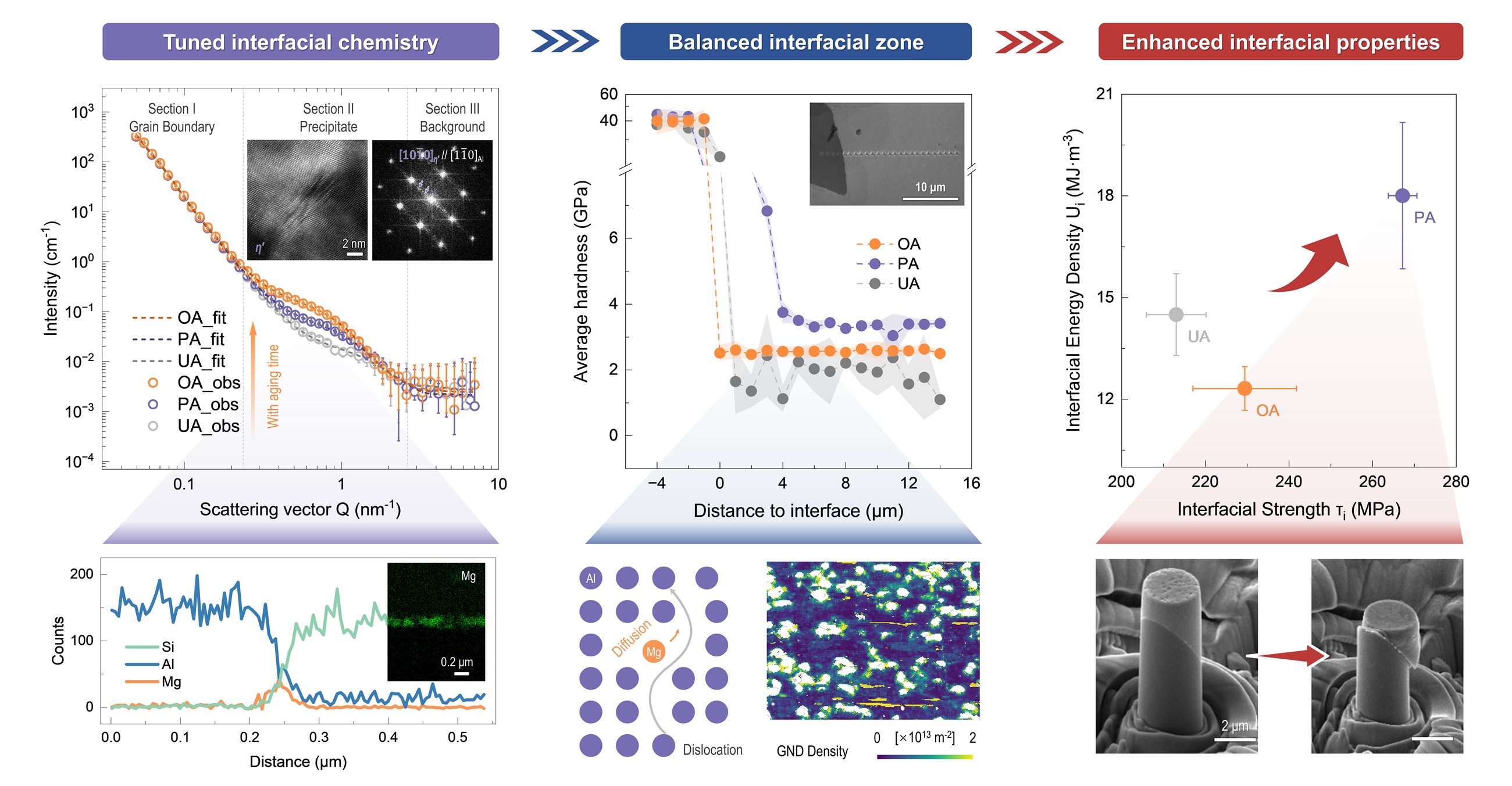
Multi-panel research figure showing interfacial chemistry, hardness, microscopy, and strength measurements
Aging-mediated redistribution at a ceramic–metal interface

02

Interfaces by design

I study how chemistry, precipitation, and dislocation structures evolve near ceramic–metal boundaries, then use those mechanisms to improve interfacial strength and fracture resistance.

  • Ceramic–metal joining
  • Element redistribution
  • Micromechanics
Four scanning electron microscopy frames showing progressive deformation and failure of a microscale specimen
Microscale deformation and failure observed in situ

03

Processing, architecture & failure

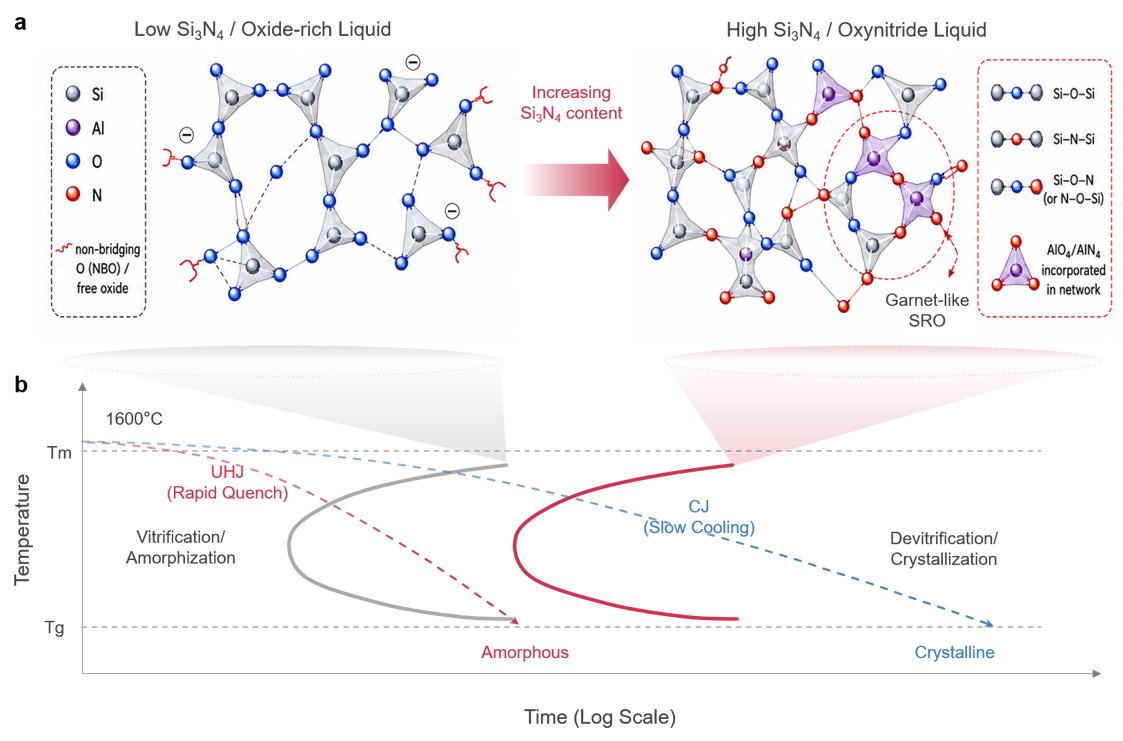
I connect ultrafast processing and multi-phase architecture with in situ and cross-scale mechanics to understand where transformation localizes and how damage can be redirected.

  • Ultrafast processing
  • Architectured materials
  • In situ mechanics

02 · Selected publications

Representative work

Selected papers that show the progression from constrained phase transformation to interface design.View the full record ↗

03 · Platforms & resources

From fabrication to multiscale observation

My work combines non-equilibrium processing, micro- and nano-mechanics, electron microscopy, and bulk scattering to connect process, structure, and performance.

Zeiss Xradia 520 Versa X-ray microscope
01

X-ray microscopy

Three-dimensional inspection of internal architecture, defects, and damage evolution.

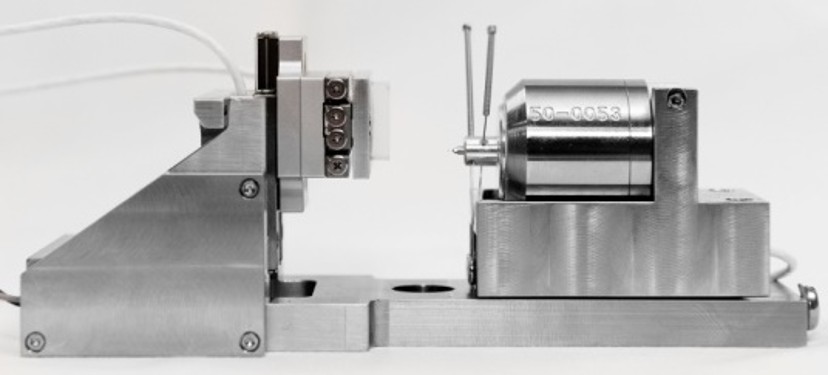
A compact sample environment used for neutron scattering experiments
02

Neutron & X-ray scattering

Phase, strain, and nanoscale-structure measurements across bulk and constrained systems.

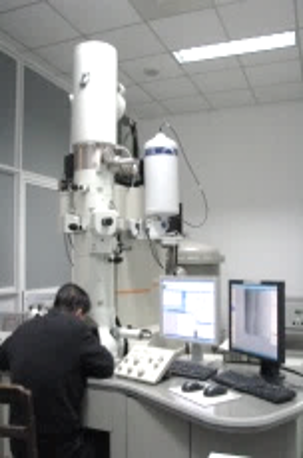
Researcher operating a transmission electron microscope
03

Electron microscopy

TEM, FIB, diffraction, and chemical mapping for interfaces and transformation mechanisms.

Make

Ultrafast sintering & joining · additive manufacturing · hot pressing & infiltration

Measure

TEM & FIB · X-ray microscopy · neutron/X-ray scattering · in situ micromechanics

Understand

Phase transformation · interface mechanics · damage localization · failure analysis

04 · Biography

Materials research across institutions and scales

My path has moved from functional nanomaterials and graphene processing to transformable composites, ultrafast ceramic processing, and materials under extreme conditions.

2025—present

Postdoctoral Fellow

Nanyang Technological University · Singapore

Structural and functional ceramics, ultrafast processing, additive manufacturing, and materials performance under extreme conditions.

2020—2025

Dual Ph.D. in Materials

NTU × Shanghai Jiao Tong University

Zhiyuan Honor Program (top 1%). Research on transformation-induced mechanical robustness in metastable aluminum-matrix composites.

2019

Research Exchange

University of Oxford · United Kingdom

Scalable graphene processing and environmentally considerate polymer-fibre fabrication in the Grobert group.

2016—2020

B.Eng. in Materials

Shanghai Jiao Tong University

Hsu Tzuyao Honor Class (top 10%), with undergraduate research across composites and functional nanomaterials.

05 · Mentoring & service

Research is also stewardship

I value the practical work that makes research communities function: teaching methods, maintaining access, reviewing carefully, and helping early-career researchers build confidence.

01

Research leadership

Principal investigator of an NSFC Ph.D. Program project on intelligent composites.

02

Mentoring

Research mentor in the YSA–Yuanpei Young Scholars Program and co-supervisor of undergraduate and master’s research.

03

Scientific community

Journal reviewer and former manager of the SJTU Electron Microscopy Group, supporting training and instrument access.

06 · Contact

Interested in materials that transform under constraint?

I welcome conversations about composites, interfaces, phase transformation, micromechanics, neutron scattering, and ultrafast processing.

cs-wangshu.zheng@ntu.edu.sg